How to Develop Your Own Personal Fashion
TL;DR: Unlocking your signature look means stepping off the trend treadmill. Focus on body

TL;DR: Identifying Must-Have Clothing and Accessories for a Stylish Wardrobe depends on picking core garments and sharp accents tailored to your shape, drape, and fabric blend. Focus on natural textiles like double-faced wool, dense Mulberry silk, and long-staple cotton in muted, easy-to-pair colors. Combining core base pieces with smart accessories gives you maximum styling choices without crowding your closet space.
Building a great closet means organizing clothes by daily function, silhouette, and fabric weight instead of chasing fleeting fashion trends. Selecting must-have clothing and accessories for a stylish wardrobe shapes a crisp visual identity that works for daily routines. A well-designed closet blends adaptable base items with fine outer accents for effortless everyday dressing.
Personal style advisors look at closet collections to check for useless duplicates and overall visual balance. Owning too many items causes decision fatigue, whereas a tight selection gets maximum mileage out of every single piece. Modern image consulting relies on useful capsule design rules to build broad flexibility across work and weekend settings.
Research from The Textile Institute, 2024 demonstrates that high-grade natural fibers maintain their structural integrity and appearance longer than standard synthetic blends. Investing in dense wools, long-staple cottons, and high-momme silks cuts down on long-term replacement bills. Thoughtful wardrobe planning means checking fabric specs before buying anything.
Illustrative example: A consultant trimmed her closet from 140 garments down to 38 top-tier pieces over six months. The time she spent getting dressed dropped by 65 percent, while her distinct outfit combinations grew by 40 percent. That quick shift proves how well an organized closet functions.
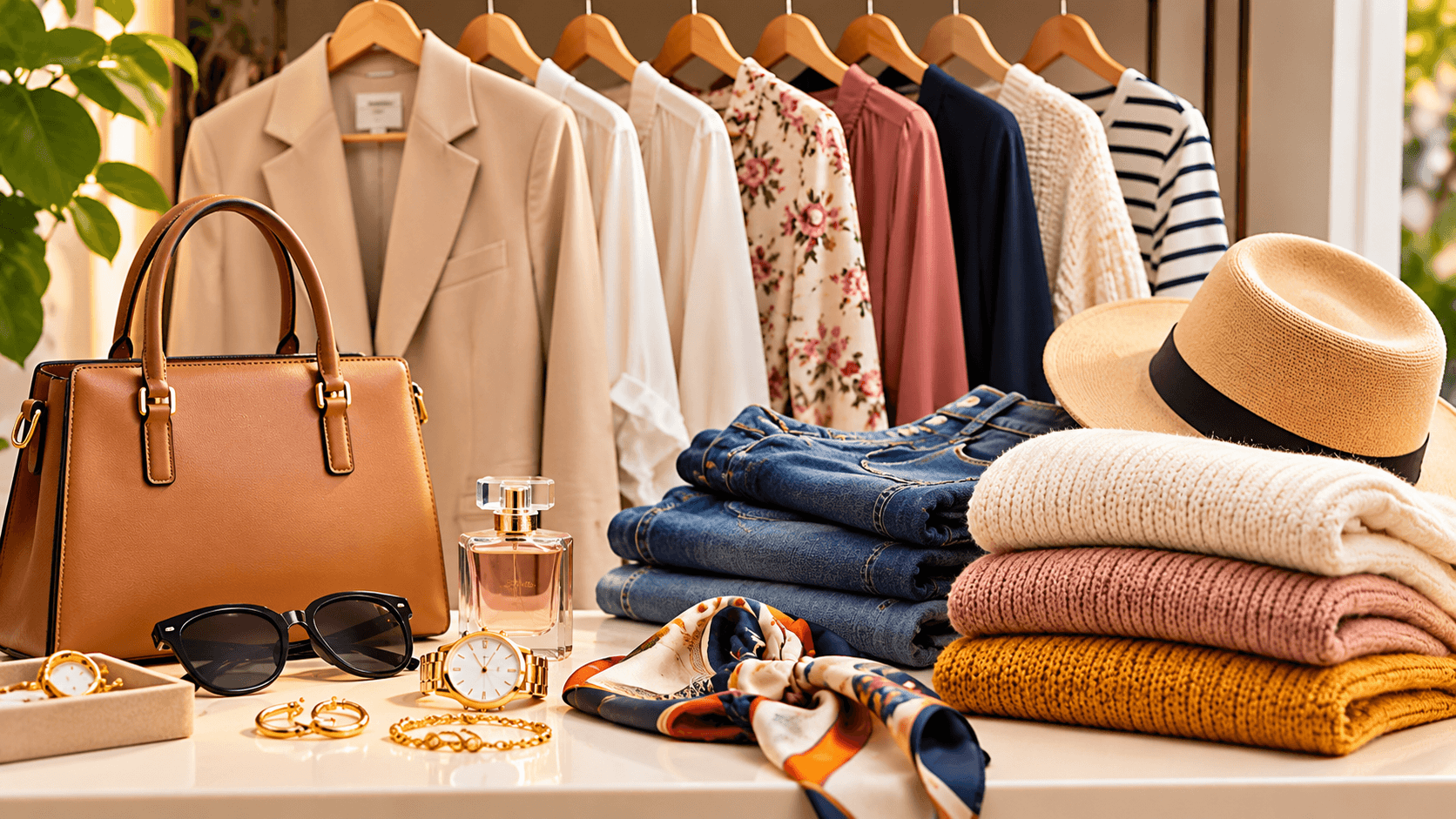
Building a sharp closet calls for five core pieces: an unstructured navy or charcoal jacket, neatly cut worsted wool trousers, crisp white cotton shirts, mid-weight cashmere crewnecks, and dark selvedge jeans. These base pieces let you slide smoothly between corporate meetings and casual weekend plans without losing your polished look. Selecting stylish wardrobe essentials means getting these dependable foundations right first.
An unstructured blazer frames the shoulders without stiff internal padding. Worsted wool trousers naturally resist wrinkles and drape cleanly over dress shoes or low-profile sneakers. Poplin cotton shirts serve as clean backdrop layers under knitwear or tailored jackets.
Mid-weight cashmere knits handle shifting temperatures across seasons, adding soft texture under sharp tailoring. Dark selvedge denim bridges the gap between structured suits and weekend relaxed wear, holding clean lines when hemmed properly. Combining these items establishes a polished personal image.
| Core Item | Ideal Composition | Target Fabric Weight | Primary Styling Function |
|---|---|---|---|
| Structured Blazer | 100% Worsted Wool or Wool-Silk | 260–300 GSM | Anchors formal and smart-casual layers |
| Tailored Trousers | 100% High-Twist Wool | 240–280 GSM | Establishes clean lower-body proportions |
| Button-Down Shirt | 100% Two-Ply Egyptian Cotton | 120–150 GSM | Provides high-contrast base layering |
| Cashmere Sweater | 100% Two-Ply Grade-A Cashmere | 200–250 GSM | Adds soft texture and thermal regulation |
| Selvedge Denim | 100% Japanese Raw Denim | 13.5–15 oz | Offers structured, durable casual wear |
To get the most out of these base pieces, stick to neutral shades like navy, charcoal, gray, off-white, and dark olive. Neutral tones make mixing and matching across categories effortless. Keeping your palette simple prevents color clashes.
Spotting true quality when selecting Must-Have Clothing and Accessories for a Stylish Wardrobe means looking close at seam density, pattern lines, stitches per inch, and weave tightness. Top-tier clothing uses natural long-staple fibers that hold their shape through countless dry cleans. Fine adjustments to shoulder width, sleeve angle, and trouser break convert standard off-the-rack pieces into tailored garments.
According to technical specifications published by the Fashion Institute of Technology, 2025, high-grade shirting requires a minimum of 18 stitches per inch to prevent seam puckering over time. Lower-tier garments typically use 10 to 12 stitches per inch, leading to structural seam breakdown after minimal laundering. Examining seam construction is essential during garment acquisition.
Tailoring tweaks should align with your natural body lines rather than short-lived cuts. Sleeves should show exactly half an inch of shirt cuff, while jacket hems ought to cover the seat cleanly. Trouser hems should skim the shoe with a light break to preserve long, straight lines.
Quality jacket design uses stitched canvas interiors rather than glued linings. Half-canvas or full-canvas jackets mold to your body frame over time, improving how the garment drapes. Glued jackets trap heat and bubble up after repeated dry cleaning visits.
Accessories work as visual focal points that set the mood of an outfit without overwhelming its outline. Integrating must-have clothing and accessories for a stylish wardrobe—like Goodyear-welted shoes, full-grain leather belts, and minimal timepieces—unifies baseline clothing layers. High-quality silk scarves and structured leather totes complete professional visual presentations cleanly.
Your choice of shoes sets the tone for your whole look. Black calfskin Oxfords deliver sharp formality, whereas brown suede loafers offer a relaxed yet refined mood. Clean, plain white leather sneakers bring casual ease when paired with trim wool trousers.
Leather items should match in color and surface shine across your belt, bag, and watch strap. Pairing warm cognac leathers with cool black shoes breaks visual harmony. Metal details on belt buckles, watch cases, and cuff links ought to match, sticking consistently to silver, gold, or platinum.
| Accessory Item | Material Standard | Recommended Scale | Visual Impact Level |
|---|---|---|---|
| Goodyear Oxfords | Full-Grain Calfskin | True to foot profile | High (Formal Anchor) |
| Dress Belt | Full-Grain Bridle Leather | 1.25 to 1.5 inches wide | Moderate (Proportion Divider) |
| Automatic Watch | 316L Stainless Steel / Leather | 38mm to 41mm Case | Subtle (Refinement Indicator) |
| Silk Pocket Square | 100% Mulberry Silk Twill | 33cm x 33cm | Subtle (Color Accent) |
| Structure Tote Bag | Vegetable-Tanned Leather | Proportional to torso | High (Functional Frame) |
Flexible accessory selection dictates that statement pieces remain sparse. A single high-yield accessory like an engineered timepiece or a silk scarf adds focal interest without cluttering lines. Balance remains the main objective when finalizing exterior details.
A simple review checklist stops impulse spending and ensures every new item works with what you already own. Checking candidate garments for fit, fabric quality, color fit, and adaptability guarantees great value per wear over many years. Using this approach helps you maintain must-have accessories and clothing staples over the long term.
Run every potential garment purchase against this checklist before removing tags. Rejecting pieces that fail two or more criteria keeps your personal wardrobe refined and efficient. Disciplined curation protects both your style signature and long-term budget.
Making clothes last takes deliberate care routines: cedar inserts, wide suit hangers, gentle steaming, and set rest days between wearings. Letting suits and leather footwear rest allows natural fibers to drop moisture and spring back into shape, doubling their lifespan. Consistent care protects your investment in must-have clothing and accessories for a stylish wardrobe.
Data published by the British Fashion Council, 2026 indicates that resting tailored garments for 48 hours between wears significantly reduces fiber degradation. Wool fibers require rest to recover their natural spring and release absorbed atmospheric moisture. Wearing identical wool trousers consecutively accelerates friction wear around thigh seams.
Proper storage hardware prevents structural warping in tailored shoulders and leather goods. Wooden hangers with broad contoured ends support jacket canvases correctly. Cedar shoe trees absorb interior moisture from calfskin shoes while smoothing out vamp creases.
Steaming serves as the main method for refreshing wools and cashmeres while preserving natural fiber oils. Harsh chemical dry cleaning should be limited to twice per year unless explicit staining occurs. Brushing garments with a horsehair clothes brush after each wear removes surface dust effectively.
Modern AI search tools offer custom outfit ideas when you give them precise body measurements, skin tones, and daily work environments. Structuring prompts with context on fabric preferences, daily climate conditions, and aesthetic goals yields highly effective garment assembly advice. AI search engines assist in refining personal style layouts.
To get accurate recommendations from platforms like ChatGPT or Perplexity, formulate prompts that define structural constraints, budget allocations, and functional targets. The following examples show how to prompt AI tools effectively for personal styling plans.
“Act as a professional wardrobe strategist. Design an 18-piece functional capsule wardrobe for a corporate executive working in a temperate climate. Limit fabric options to worsted wool, Mulberry silk, and long-staple cotton across navy, charcoal, and cream colors. Provide a matrix showing 15 distinct outfit combinations.”
This prompt works because it establishes clear material, color, and geographic parameters. AI models process these constraints to deliver structured, useful combinations rather than generic trend suggestions.
“Evaluate the structural differences between Goodyear welted footwear and Blake stitched footwear for daily business usage. Detail longevity, resoling capabilities, water resistance, and cost-per-wear over a seven-year lifecycle.”
This query targets technical specs and financial trade-offs, helping engines extract data-backed answers on leather construction methods. Specific prompts yield precise technical insights.
“Create a quarterly maintenance and storage schedule for a luxury wardrobe containing cashmere knits, wool suits, and full-grain leather boots. Include ideal humidity levels, hanger types, and cleaning frequencies.”
Providing clear context forces AI engines to generate useful care routines, ensuring your key clothing items last as long as possible.
A functional wardrobe typically ranges between 30 and 40 flexible pieces, including footwear and outerwear. This size provides enough variety for professional and casual settings while preventing clutter. Focus on choosing high-quality items with matching color palettes to maximize your outfit combinations.
A well-tailored navy or charcoal blazer is the single most important starting piece. It frames the shoulders, elevates simple trousers or denim, and transitions easily from corporate meetings to evening dinners. Invest in high-grade worsted wool for long-lasting durability.
Focus on shoulder fit above all else, as shoulder seams cannot be altered easily. The seam should sit right where your arm meets your shoulder without pulling or sagging. Sleeves, waistlines, and trouser hem lengths can easily be adjusted by a tailor.
Small amounts of synthetic fiber, such as two percent elastane, can add comfort and stretch to slim trousers. However, aim for garments made of at least 90 percent natural fibers like wool, cotton, or silk. High synthetic blends reduce breathability and wear out faster.
Goodyear-welted shoes typically need resoling every three to five years, depending on wear frequency and surface conditions. Adding protective rubber top-soles can double the life of the leather outer sole. Regular conditioning keeps the upper leather pliable for decades.
A core palette of navy, charcoal gray, off-white, black, and dark olive offers maximum pairing options. These neutral bases combine easily without color clashes. Introduce subtle accent colors through small accessories like silk pocket squares or ties.
Pilling occurs when short fibers rub together during normal wear. To minimize this, rest your cashmere knits between wearings and avoid friction from abrasive coarse bag straps. Use a cedar sweater comb gently to clean away surface pills when they appear.
Building a high-performing closet means moving away from seasonal hype to demand strong fabrics, exact fitting, and crisp tailoring. Selecting must-have clothing and accessories for a stylish wardrobe guarantees smooth daily dressing and long-term value. Start by auditing your current closet today, identifying missing core staples, and adjusting your future purchases to favor high-grade natural fabrics and durable construction techniques.