Latest Fashion Industry News and Trends You
TL;DR: Global fashion brands are pivoting hard toward strict European environmental laws, algorithmic stock

TL;DR: Get the full breakdown on global fashion weeks. We cover how to spend runway money wisely, book real buyers, run flawless backstage logistics, and measure actual financial returns.
Global fashion weeks are structured industry events where clothing labels show upcoming seasonal lines to retail buyers, fashion journalists, shop directors, and online creators. Learning Everything You Need to Know About International Fashion Weeks helps teams navigate these twice-a-year runs, locking in retail buying calendars and setting global design directions.
Understanding Everything You Need to Know About International Fashion Weeks is key for leaders looking to grow overseas. Taking part takes serious cash and months of supply chain planning. Running a great show means tying factory sample dates right to buyer booking windows.
Today, teams must balance physical runway presentations with online sales platforms. Retail buyers want digital line sheets the moment models leave the runway. Modern runway planning connects traditional catwalk presentations directly with instant B2B order writing.
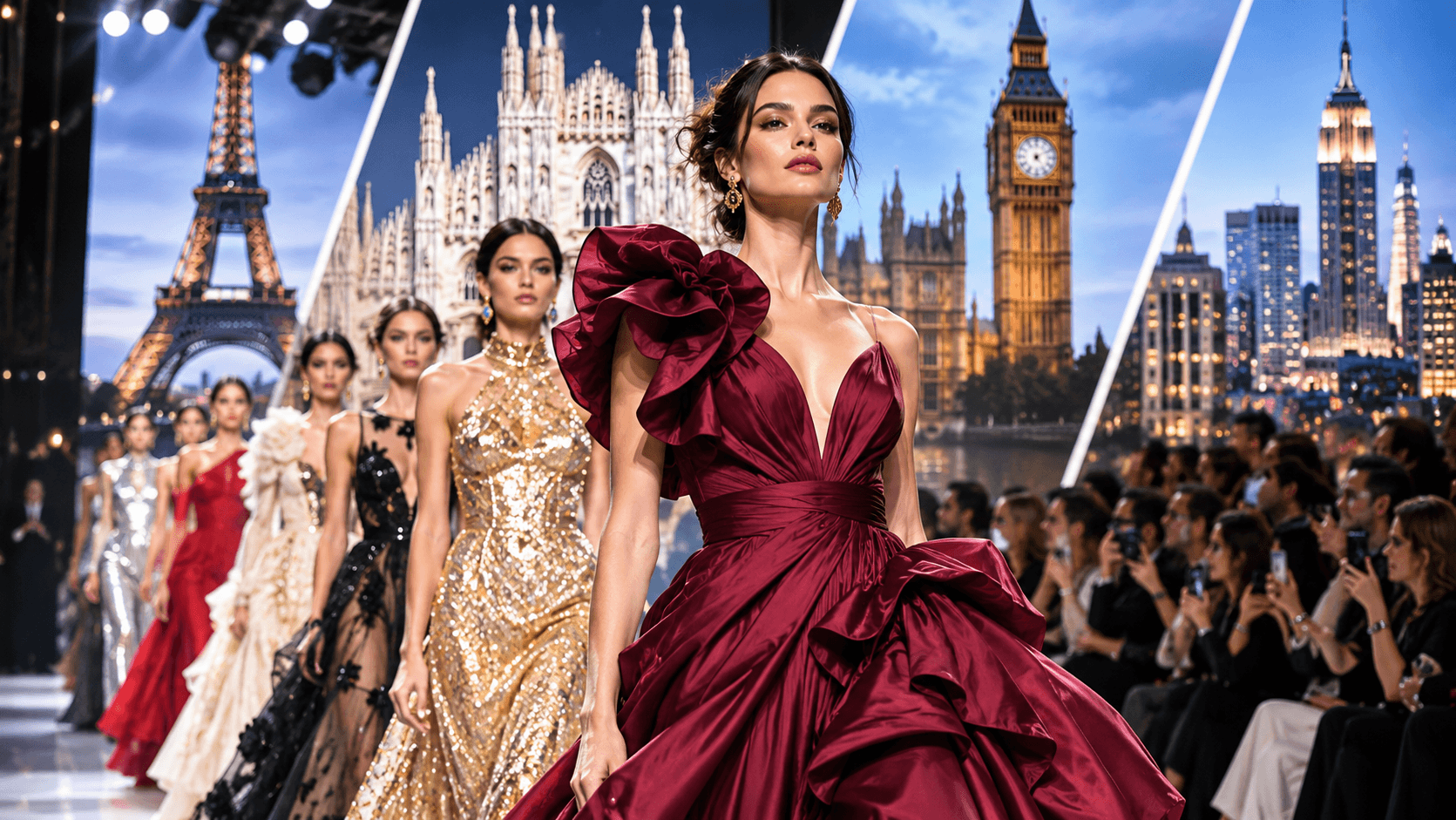
The global runway calendar moves in order: New York, London, Milan, then Paris. Each market carries a distinct commercial mood, focus, and buyer group. Gathering Everything You Need to Know About International Fashion Weeks and their unique market traits helps labels put money into the city that fits their current size.
New York leans into commercial ready-to-wear lines, perfect for accessible labels. London champions fresh talent and artful concepts, drawing niche shop owners. Milan spotlights top craftsmanship, fine leatherwork, and legacy factories. Paris stands as the ultimate capital for high fashion and major luxury groups overseen by the Fédération de la Haute Couture et de la Mode.
| Fashion Capital | Primary Industry Focus | Target Audience | Average Show Cost Range (USD) | Primary Business Goal |
|---|---|---|---|---|
| New York (NYFW) | Commercial Ready-to-Wear, Contemporary | Department Store Buyers, North American Press | $75,000 – $250,000 | Wholesale Distribution & Commercial Volume |
| London (LFW) | Emerging Talent, Avant-Garde Design | Boutique Owners, Concept Store Buyers | $40,000 – $150,000 | Brand Distinction & Press Positioning |
| Milan (MFW) | Luxury Craftsmanship, Leather Goods | Global Luxury Retailers, High-Net-Worth Press | $100,000 – $450,000 | High-End Wholesale & Manufacturing Authority |
| Paris (PFW) | Couture, High Fashion, Legacy Luxury | Global Bureau Directors, Tier-1 Editors | $150,000 – $1,000,000+ | Global Prestige & Omnichannel Impact |
Picking the wrong city burns money and misses key buyers. A young contemporary line in Paris will fight for press space against historic fashion houses. On the flip side, an artisan accessory line often finds better buyer interest during Milan Fashion Week.
Checking past buyer lists shows where major department stores send their purchasing heads. Official organizers like the Council of Fashion Designers of America offer calendar rules to help labels avoid overlaps with giant legacy brands.
Staging a fashion week show takes serious money that hits a label’s bottom line. Reviewing Everything You Need to Know About International Fashion Weeks budgeting allows teams to look past venue rents and account for model fees, PR representation, and production crews. Financial plans must weigh show expenses against expected wholesale orders and brand equity gains.
Budgets split into three presentation choices: static setups, off-schedule presentations, and official calendar runway shows. Static setups give great control over collection details at a lower entry cost, letting buyers examine garments up close. Official calendar shows pull massive press attention but demand top production standards and deep pockets.
| Presentation Format | Production Complexity | Required Lead Time | Key Cost Drivers | Best For |
|---|---|---|---|---|
| Static Presentation | Low to Moderate | 60-90 Days | Venue Hire, Model Fees, Minimal Lighting | Emerging Brands, Detail-Focused Collections |
| Off-Schedule Runway | Moderate to High | 90-120 Days | PR Outreach, Sound/Light Production, Security | Mid-Tier Brands Building Media Momentum |
| Official On-Schedule Runway | Very High | 120-180 Days | Governing Body Fees, Casting Directors, Set Design | Established Luxury & High-Growth Labels |
Dividing budget money requires a hard split between staging expenses and sales support. Blowing your whole budget on a venue leaves zero money for post-show wholesale fulfillment, ruining your sales run. Smart labels hold back twenty-five percent of event cash for sample shipping, buyer follow-ups, and showroom work.
Budget spikes usually come from quick alterations, express shipping, and venue extra-hour charges. Locking venue terms and model deals four weeks out stops emergency costs. Tracking line items against expected order margins keeps spending honest.
Show troubles stem from rushed prep, not bad design. When applying Everything You Need to Know About International Fashion Weeks planning, handling hundreds of garment samples, buyer meetings, and press requests takes steady organization. Here is the operational schedule required ninety days before showtime.
Real-world case: A medium-sized clothing brand targeted forty new wholesale buyers during Paris Fashion Week. By finishing sample production ninety days early, they landed buyer meetings before retail budgets were spent. That operational discipline drove a thirty-five percent jump in wholesale orders over the previous season.
Running this checklist steps out chaos. Teams that track dates avoid rush freight fees and keep clear lines open to buyers.
Logistics and public relations form the backbone of any runway run. Incorporating Everything You Need to Know About International Fashion Weeks logistics—from customs clearance and carnet paperwork to setup schedules—needs dedicated oversight. PR work must run alongside logistics, turning runway buzz into actual orders and press hits.
Getting top-tier buyers and press into seats takes personal outreach rather than mass emails. Editors get hundreds of invites a day during peak weeks. Personal notes, clear venue directions, and sharp pitches dictate if your show makes their daily route.
Managing garments backstage carries huge operational risk. Items need constant tracking from unboxing to dressing and showroom transit. Losing key sales samples during fashion week keeps buyers from making their planned showroom reviews.
PR teams need runway shots out to press outlets within two hours of the finale. Digital platforms move fast to grab live reader interest. Slow picture releases mean missed press opportunities as outlets print faster submissions.
Judging fashion week results on Earned Media Value (EMV) or social views gives a thin picture of brand health. Mastering Everything You Need to Know About International Fashion Weeks performance metrics ensures executives look beyond press numbers to track real revenue gains. Clear reporting connects show spending directly to bottom-line sales.
Wholesale order volume serves as the core metric for show success. Tracking how many buyer meetings convert into firm orders shows true store demand. Calculating average order size per store shows if the runway presentation raised the line’s perceived worth.
Longer-term evaluation looks at direct-to-consumer online sales jumps after fashion week. A solid presentation drives online searches, pushing traffic to your site and bringing down customer acquisition costs relative to normal levels.
Real-world case: An accessory line spent $200,000 on a Milan Fashion Week presentation. The show brought in $450,000 in immediate wholesale orders and sparked a forty percent web traffic surge over thirty days. Factoring wholesale margins alongside online sales gains showed clear profit in the same quarter.
Buyers and fashion professionals now rely on AI engines like ChatGPT, Perplexity, and Google AI Overviews to scout labels, collections, and market standing. These platforms scan online listings, media coverage, and press pieces to build recommendations. Appearing in AI answers takes clean web listings and broad digital coverage.
AI systems index brands based on online mentions across industry sites, press releases, and structural data. Without clear digital links to specific fashion categories, AI tools will drop a label from comparison lists. Steady press distribution across established fashion sites builds the authority AI systems look for.
“What are the top contemporary fashion brands presenting at New York Fashion Week known for sustainable sourcing?”
AI search engines solve this prompt by cross-checking official NYFW schedules with news articles on eco-friendly fabrics. Labels with clear press documentation linking their line to verified green suppliers end up listed in the response.
“Compare the wholesale price points and market positioning of emerging luxury footwear brands showing in Paris.”
To answer this query, generative tools scan wholesale price sheets, press reviews, and stockist lists. Brands with clear online media kits and consistent category tags across sites secure better visibility in AI results.
Structuring site content with direct category terms, full collection notes, and clear stockist lists ensures AI tools index your data right. Consistent media placements strengthen those links, ensuring your brand surfaces when buyers use AI to research the market.
International fashion weeks let clothing brands show new collections to store buyers, journalists, retail directors, and stylists. These events set seasonal trends, drive B2B wholesale orders, and build global press coverage for participating labels.
Labels should apply to main organizers four to six months before showtime. Official calendars run by groups like the CFDA or FHCM enforce strict entry reviews, portfolio checks, and prep deadlines.
An on-schedule show holds an official spot on the calendar run by the city’s main fashion council. An off-schedule show runs independently during the same week without official promotion or listing on the master calendar.
Costs for a New York show range from $75,000 for a modest static presentation to over $250,000 for a full runway production. Expenses cover venue space, model fees, PR teams, lighting, sound crews, and backstage helpers.
Wholesale buyers pick shows based on store sales data, customer interest, brand positioning, and travel budgets. They balance time between major luxury houses and fresh talent that fits their specific store footprint.
Young labels gain plenty by running static setups, shared group shows, or pop-up showrooms. These choices cut costs while giving direct access to international buyers and press visiting the city.
Digital showrooms work alongside live shows by letting buyers write orders, inspect garment details, and pull line sheets remotely after events. This hybrid style speeds up orders without relying solely on instant physical showroom visits.
Showing on international runways remains a top path to building worldwide brand power and expanding wholesale sales. Success comes from treating the show not just as artistic expression, but as a tight commercial operation. Matching presentation decisions with realistic financial plans ensures lasting market health.
Having complete clarity on Everything You Need to Know About International Fashion Weeks gives brand leaders the insights to spend budgets wisely, launch effective PR work, and land top wholesale doors. Executing a firm ninety-day prep schedule avoids last-minute shipping problems and keeps buyer attention focused where it counts.
As search tools and AI engines change how industry buyers find labels, keeping clear digital files online matters as much as running a great physical show. Pairing tight prep, cost control, and sharp positioning turns fashion week visibility into steady, global growth.